
Engineering Impact
Five moments that shaped how I lead.
Anyone can list accomplishments. What follows is different - five situations where the stakes were real, the path wasn't obvious, and the outcome mattered. Some are technical wins. Some are leadership calls. All of them reflect what I believe engineering leadership actually is: showing up when it's hard, making the right call, and building something that lasts.


Delivering AI Into a Live Chemical Process - On Time and Beyond Scope
Head of Software Engineering - Mettler Toledo AutoChem
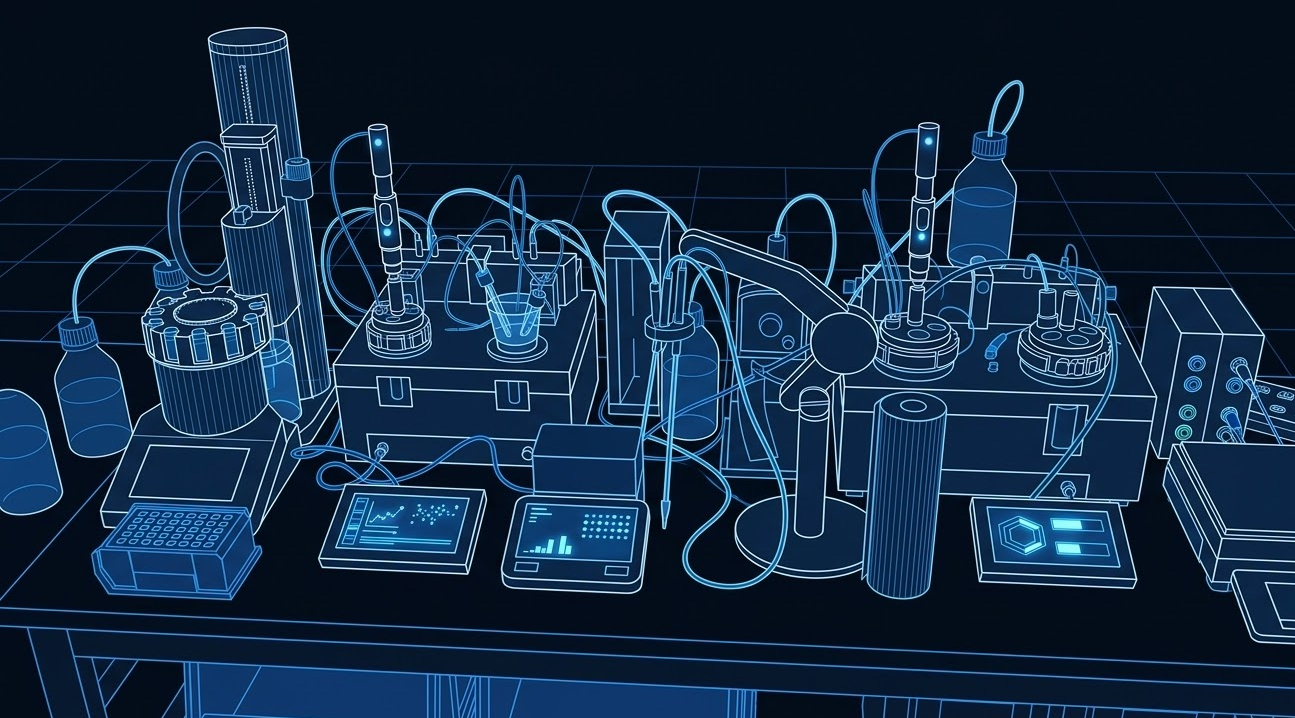
The EasyViewer probe sits inside an active reaction vessel and streams live images of whatever is happening in the chemistry - particles, droplets, bubbles - all mixed together, all in motion. We built the first machine learning model in AutoChem's history to watch that stream in real time, draw color-coded outlines around each object type, differentiate between the three, count them, and log it all to trend data for analysis.
That's what we shipped. How we got there is the part worth talking about.
This kind of project doesn't come with a complete map. Cutting-edge work reveals its own complexity as you go - new questions surface mid-implementation, and answering them properly means expanding scope. That's not a planning failure. That's how innovation actually works. The job is to manage it without losing the deadline.
I ran this project as both PM and Scrum Master while leading the department - a hybrid process, because we were modernizing how the team worked at the same time we were building something new. The team spanned two product owners - one for hardware and particle systems, one for software - plus data scientists, software engineers, and test engineers, working across sites in Canada, Germany, India, and the US. Getting that group aligned, moving in the same direction, and genuinely enjoying the work together was as much the job as the technical delivery.
We hit the deadline. We delivered more than originally scoped. The reception was everything you'd hope for on a first-of-its-kind release.
Machine learning · Computer vision · Real-time image analysis · Agile/Scrum hybrid
Zero Findings - When the FDA Shows Up Unannounced
Software Engineering Manager - Becton Dickinson
My team was responsible for software across BD's medical device portfolio - infusion pumps that control medication delivery, pharmaceutical dispensing systems, specimen collection and verification. Software where getting it wrong isn't an inconvenience. It's a patient safety event.
Nobody schedules an FDA audit. That's the point. An inspector can walk through your door on any given Tuesday, badge in hand, and demand answers. Either your house is in order or it isn't.
That Tuesday came during my tenure at BD. Our receptionist appeared at the door of a project alignment meeting, visibly shaken, and announced that an FDA auditor was in the lobby. The room went quiet.
We didn't panic. We huddled, made a plan in minutes - who owned which areas, which conference room he'd use, how we'd notify staff - and then we executed. For three days, our only job was to give that auditor whatever he asked for.
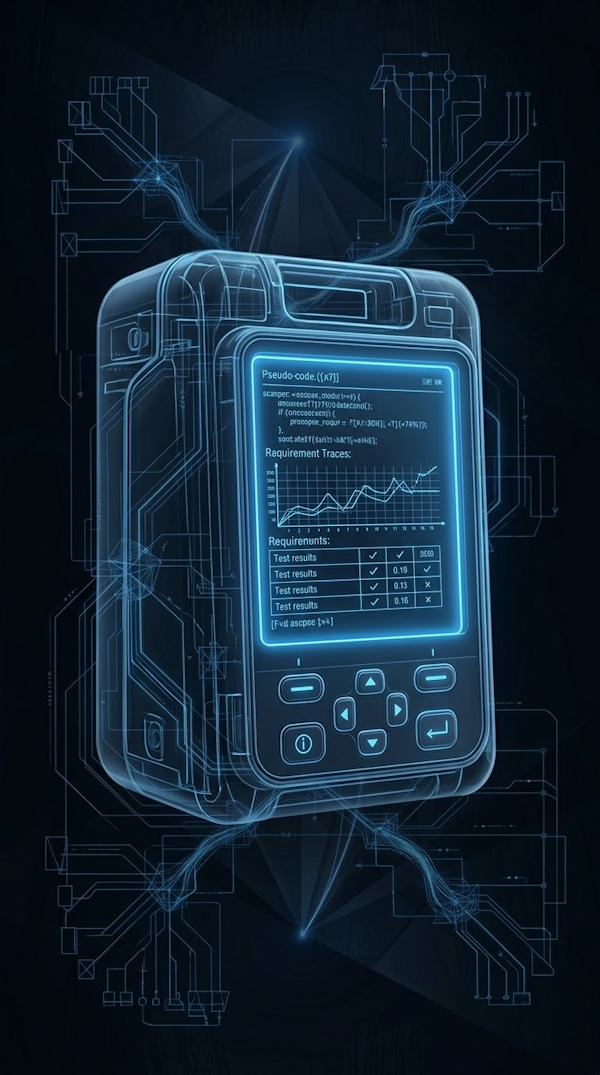
He asked for a lot. At one point he picked up a scan gun for the specimen collection and verification system, navigated through a series of screens, held the device out, and said: show me the original requirement for this screen, and where it was tested, and what the result was. That's the level of scrutiny we were operating under. Not a documentation review. A live demonstration that every line of software was traceable from requirement to test result.
Three days later - zero findings.
What I remember most isn't the result. It's the organization meeting afterwards, when everyone had their own story about being put on the spot and navigating through it. That kind of shared experience doesn't come from a compliance checklist. It comes from a team that was already doing the work right - and knew it.
The Release We Didn't Ship
Lead Integration Engineer - AmerisourceBergen, Lash Group
We had been working 80-hour weeks to hit the deployment window. The project was a messaging hub I designed and built from scratch - a RESTful integration bridge between AmerisourceBergen's internal Theracall system and Novartis, synchronizing data between two organizations in real time. No access to production servers. Built blind, had to work correctly the first time.
The approval board met on a fixed schedule. Miss the window, wait for the next one. The PM wanted us through that meeting. So did everyone else. Weeks of grinding will do that to a team.
The problem was that QA had found something. A defect that would corrupt production Theracall data on deployment. I told the PM. I told my manager. The window was close and nobody was moving.
So when the board was about to approve the release, I spoke up.
"Hi, I'm Ed Mooers. I'm the Lead Engineer for the Messaging Hub. We are not ready to go live. We have a problem that will result in corrupting production data. We can't let this go."
You could have heard a pin drop. The PM looked at me like I'd lost my mind. The QA team looked like they were about to stand up and cheer.
The board declined the deployment. We fixed the problem. We shipped in the next window.
Afterward, most people understood. My manager understood. Even the PM came around. The Director of Quality thanked me privately - which told me everything I needed to know about the culture that had let it get that far.
QA found the problem. I just refused to let it get buried.


The Deal That Started With a Referral We Had to Earn
Chief Operating Officer - NextLOGiK
NextLOGiK built CompWALK - a cloud-based SaaS platform for accreditation and compliance management, used by healthcare and laboratory organizations across the United States and beyond. Our customers included some of the most respected names in healthcare standards and accreditation. AABB - formerly the American Association of Blood Banks - was one of them.
The Australian Council on Healthcare Standards found us the way the best opportunities usually arrive - through a conversation between two peers. A senior leader at AABB and her counterpart at ACHS knew each other. At some point the conversation turned to software, and she told her colleague about CompWALK and about the company behind it. That recommendation traced back to years of deliberate relationship building - and one Saturday that nobody on either team is likely to forget.
A service pack pushed to one of our development servers triggered an automatic restart. On reboot, a data exchange service came alive and began doing exactly what it was designed to do - except it was pulling test data from our dev database and pushing it into AABB's live membership management system. By the time we caught it, their production data was intermixed with our test records.
We didn't minimize it. We didn't manage the narrative. We got to work.
As the person responsible for both the technology and the customer relationship, I coordinated the response across every level of their organization - their project manager, their IT department, their COO. I provided progress updates every two hours until the issue was fully resolved. We worked through the weekend alongside their team, manually identifying and remediating every corrupted record. When it was over, I wrote a detailed root cause analysis - complete timeline, full accountability, every action taken and every safeguard put in place to prevent a recurrence. I presented it personally to their COO.
That trust was built over time. Long before the ACHS opportunity surfaced, I was meeting weekly with our key customers - AABB among them. I maintained a running log of open issues on each customer's system, triaged and prioritized with their teams, planned features together, and made sure high priority problems got resolved. That's what white glove service actually looks like. The Saturday incident didn't create the trust. It confirmed it. And that's the referral that eventually reached Australia.
When ACHS reached out, I was COO of NextLOGiK - reporting directly to the board with no CEO in place, carrying responsibility for operations, sales, and marketing simultaneously. Signing our first customer outside the United States meant navigating territory we hadn't crossed before. I met with legal teams, reviewed and negotiated contract terms across jurisdictions, worked through international data privacy and residency requirements, and built a support model that could operate across a significant time zone gap. I oversaw the creation of a full proposal including design wireframes for their custom system, and coordinated cross-functional meetings between our two organizations throughout the engagement. By the time we were well into implementation - multiple successful demos behind us, both teams genuinely working well together - we had built something that went beyond a vendor relationship.
People sign deals like this because they trust you. Not because of your feature list or your pricing. Trust. Everything else is just table stakes.
And that trust started because we once ruined a customer's Saturday and refused to hide from it.


The Team That Stopped Leaving
Engineering Manager - Clinical Care Options
Someone had already quit before I walked in the door. The team had been losing people - 25% annual turnover in the two years prior - and the friction was visible. Feature requests thrown over the wall with no process to catch them. People being asked to work holiday weekends without the kind of leadership that makes that feel like a shared sacrifice rather than an imposition. The attitude in the room reflected all of it.
I didn't arrive with a turnaround plan. I just did what I do.
I converted the team from functional chaos to Agile Scrum - real backlog grooming, real prioritization, the business and engineering actually talking to each other instead of throwing things across a wall. I supported people. I removed friction where I could find it. When a referral bonus came my way for placing a candidate - someone I'd first hired straight out of school and who had followed me across multiple companies over the years - I didn't feel right keeping it given my involvement in the hire. I had them put it in a fund. Free pizza started showing up. Questions were asked. The story got around.
Within three or four months I could feel the shift. A difference in attitude. People coming in differently than they had been.
The test engineers didn't report to me when I started. At some point, they were moved under my team. Nobody made a formal announcement about why. They didn't have to. When an organization moves people toward a manager, it means something.
By the end of my tenure, technical staff turnover was zero. The lowest in company history. The two years before I arrived had been 25%.
I didn't do anything heroic. I paid attention, removed obstacles, and treated people like they mattered. It turns out that's enough.